Most of the tennis players I coach are committed to improving their game. They come my way because they want to move better, get out of pain, feel more explosive, improve their skill—or a combination of the above.
Oftentimes, when we first dig into what they’ve been doing, it looks something like this: lots of tennis, a bit of weight training, and maybe some machine cardio.
In last week’s article, I wrote about easing into COD (change-of-direction) type of work. More specifically, I touched on COD drills and some of the best ways of incorporating them into training, especially in the early stages.
Below are 6 training modalities that I believe should never leave a tennis player’s off-court training program.
Whether a player is has a period without tournaments - or they’re in-between events - I believe the inclusion of these training types (in some form), is imperative to remain healthy and to perform at peak levels.
Let’s explore each in a little detail:
1 - Plyometric Training - If you only had to choose one training type to add to your off-court program, it would be plyometrics.
There are countless ways that tennis players can get into shape. From running workouts to weight training, on-court drills and more.
All have their pros and cons. And all can be utilized at different times of the year + at different stages of a player’s development.
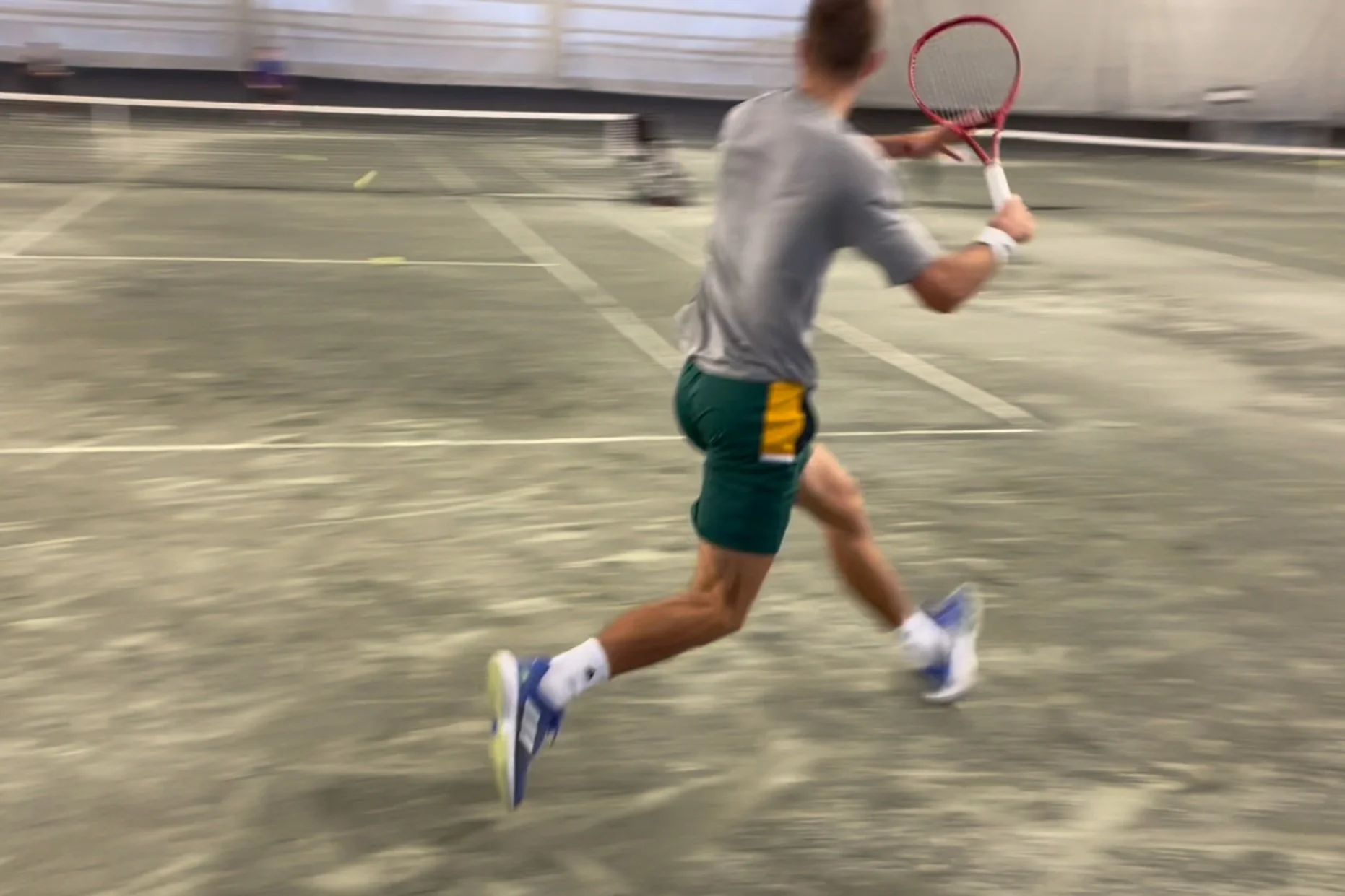
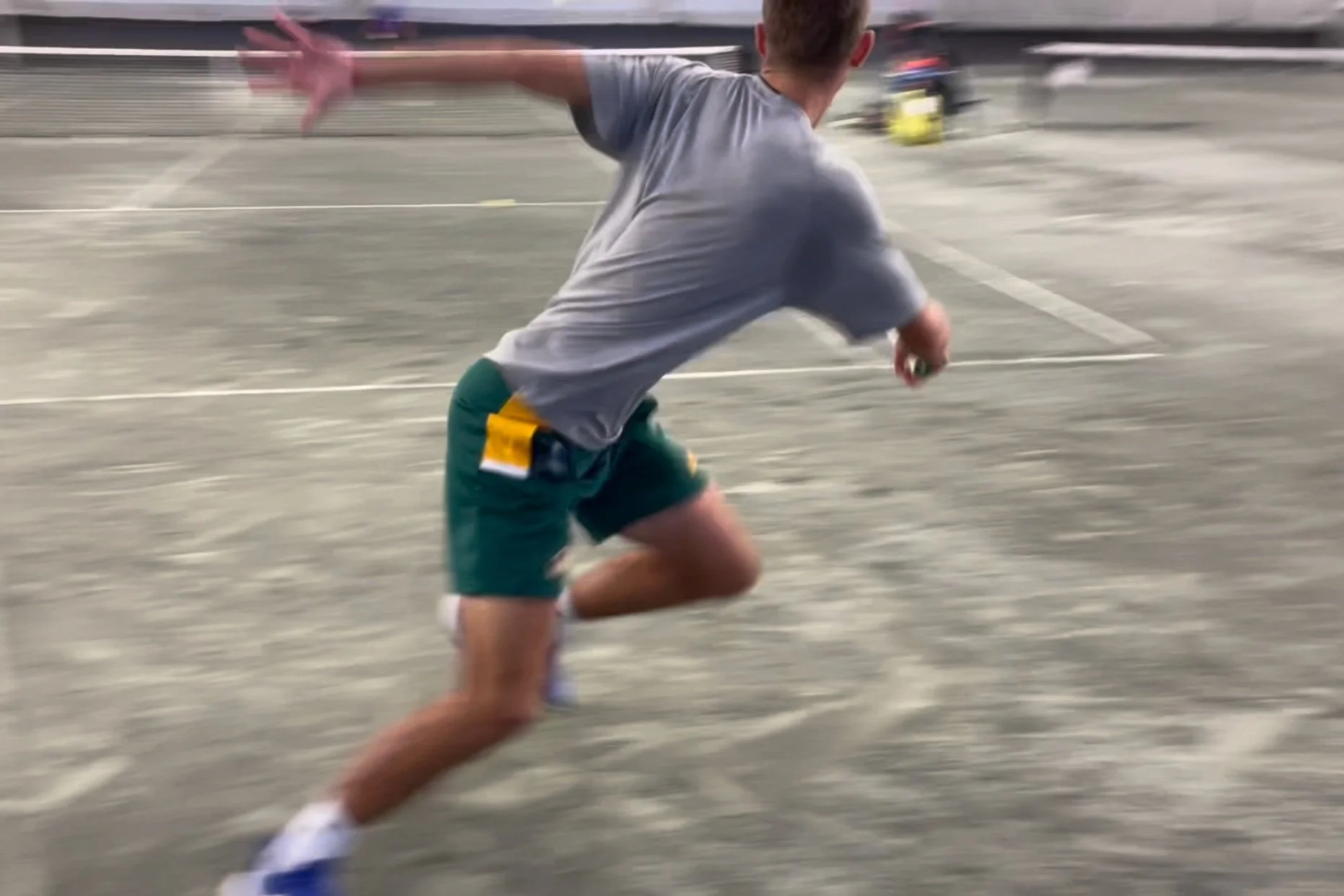
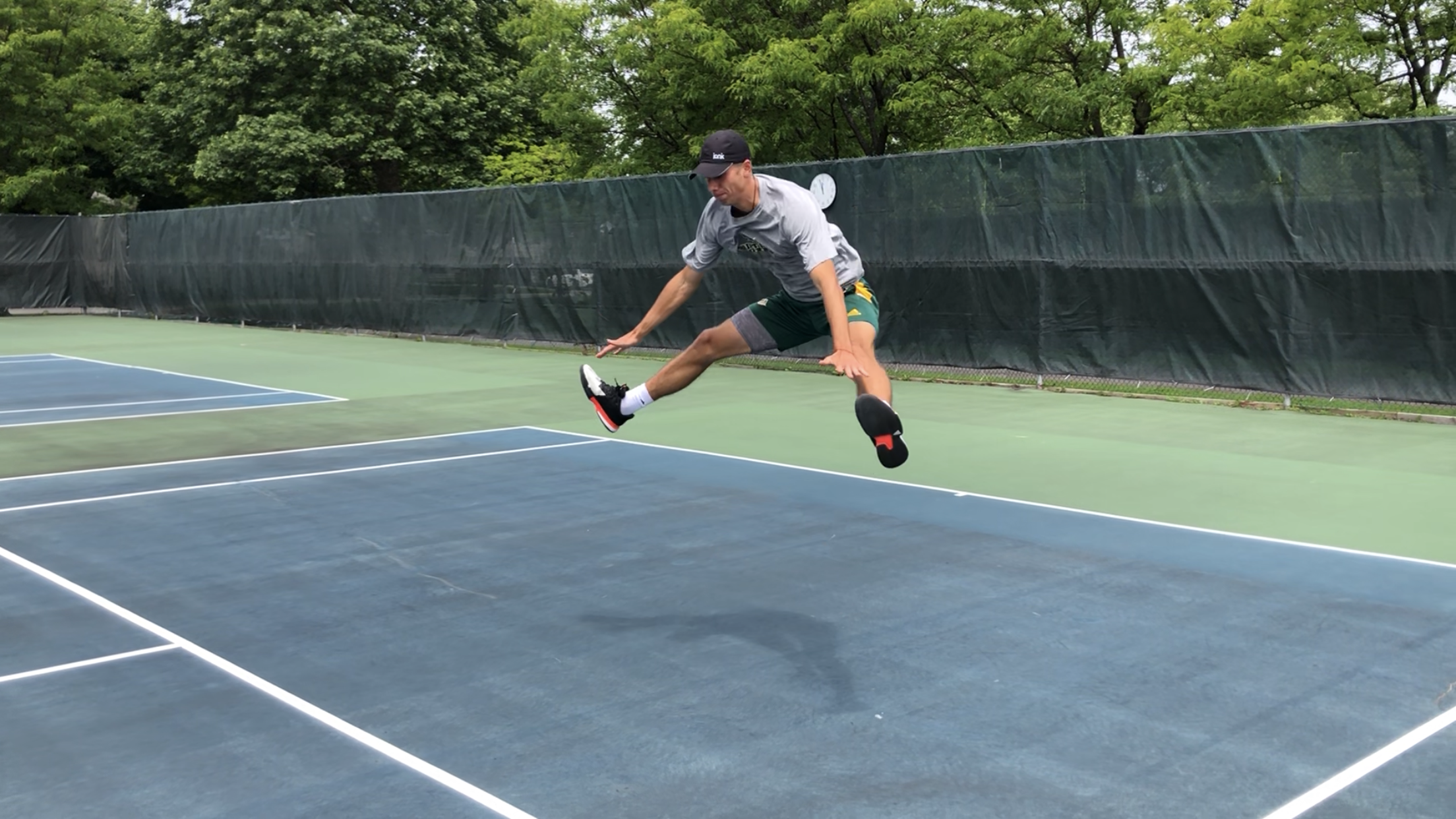
Recently, plyometric and jump training has resurfaced as a popular training modality amongst tennis players. You’ll see many performing hurdles, line hops and other types of jumping variations.
We all use jumping in our training programs. But not all types of jumps are plyometric (and when it comes to improvements in elasticity & reactiveness, those details matter).
In this pilot episode, PhD candidate in plyometrics - Matt McInnes Watson - dives into what plyos are and what they aren't.


![Plyometric Training: What It Is and What It Isn't w/ Matt McInnes Watson [Podcast]](https://images.squarespace-cdn.com/content/v1/542e007be4b08e60716458a7/1633032144170-UW5QAV449DF9W0I9RNNQ/mmw1.png)